TELEVISION • STREAMING • CANCELLATION
When Emmy Gold Can’t Save a Series: Spider-Noir’s Short Arc
Nicolas Cage led Amazon’s most nominated new series. One season later, it’s gone—a reminder that prestige television and streaming economics don’t always align.
TELEVISION • STREAMING • CANCELLATION
When Emmy Gold Can’t Save a Series: Spider-Noir’s Short Arc
Nicolas Cage led Amazon’s most nominated new series. One season later, it’s gone—a reminder that prestige television and streaming economics don’t always align.
In the calculus of contemporary television, there exists a brutal paradox: critical triumph and commercial viability have become almost mutually exclusive currencies. Spider-Noir, the Nicolas Cage-led noir series that arrived on Prime Video with an extraordinary pedigree, discovered this truth in the most decisive manner possible. Eleven Emmy nominations. One season. No second act.
The cancellation lands as a quietly devastating reminder that prestige—even the kind codified by the Academy—cannot transcend the algorithmic mathematics of streaming. Amazon’s investment in auteur-driven storytelling, once heralded as a counterbalance to algorithm-driven content, has been re-calibrated. The experiment, it seems, was always provisional.
“Critical success has become a ghost in the machine of streaming economics. Prestige is no longer currency.”
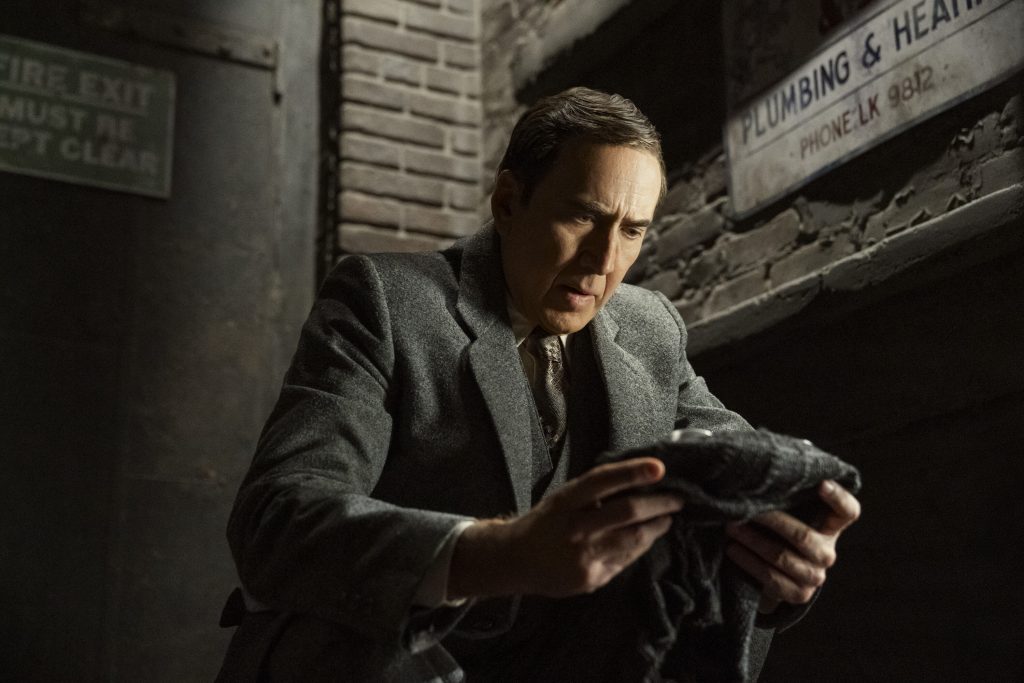
Cage’s casting itself was audacious—a baroque, mercurial talent applied to the noir aesthetic with a precision that evoked both homage and reinvention. The series understood something fundamental about its source material: that noir is not merely a visual vocabulary, but an ethical philosophy. Morality exists in shades of grey. Redemption is impossible. The only remaining choice is how one faces inevitable decline.
Yet Spider-Noir’s narrative—a meditation on aging, obsolescence, and the impossibility of escape—proved too bleak, too uncompromising for a platform designed to optimize engagement metrics. The show’s refusal to offer catharsis or redemptive arcs, its insistence on remaining faithful to the noir tradition’s fundamental despair, was interpreted not as artistic integrity but as unmarketable darkness.
The Emmy nominations arrived like eulogy flowers—recognition, but too late. They did not move the needle on subscriber retention. They did not generate the algorithm-friendly discourse that drives viewership. They were, in the end, beautiful evidence of a series that the market had already decided was expendable.
This is the new paradigm of prestige television: you can win every award. You can be lauded by critics and celebrated by artists. But if you do not generate the specific, measurable returns that feed the streaming platform’s growth narrative, you are a failed experiment. Spider-Noir was not canceled because it failed artistically. It was canceled because excellence, in the streaming age, is a luxury that no algorithm can afford.
In the age of streaming, prestige is no longer enough. The numbers always win.