BUSINESS • IPO • MARKETS
Shein’s $26.5B Hong Kong Debut
The ultra-fast fashion giant completed its IPO today at a valuation that’s a quarter of its 2022 peak—a story of regulatory pressures and fading investor enthusiasm.
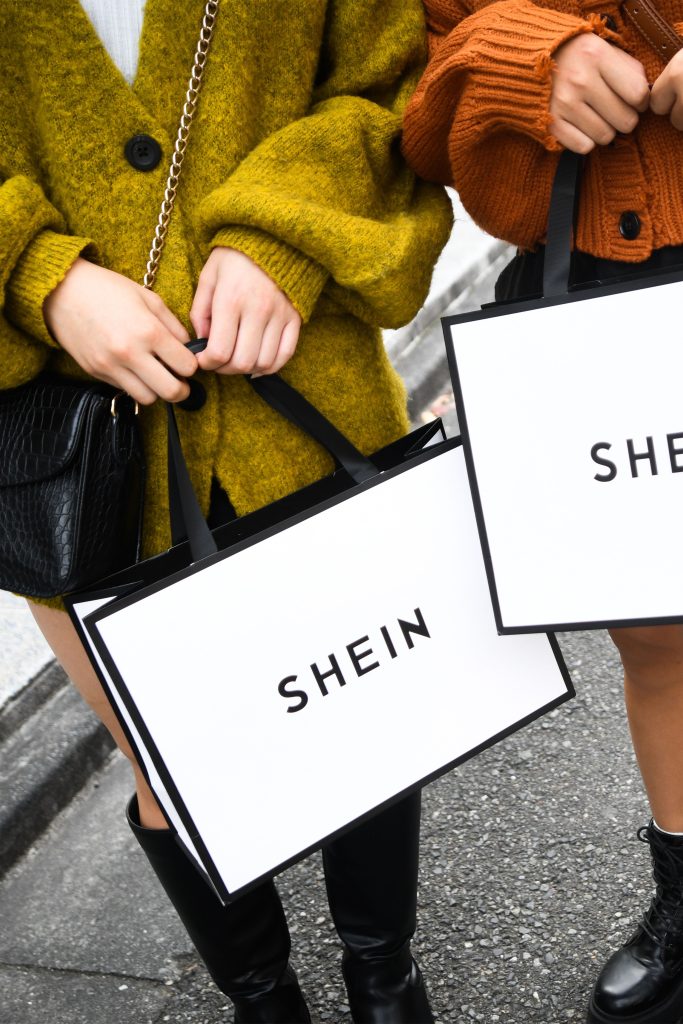
Shein’s Hong Kong Debut: $26.5 Billion Valuation, a Fraction of What It Once Was
The ultra-fast fashion giant completed its IPO today with a share price that reflects fading investor enthusiasm and mounting regulatory pressures in its key markets.
Shein completed its Hong Kong Stock Exchange listing today, pricing shares at HK$48.56 and raising approximately $1.74 billion. The company’s debut marks the culmination of a four-year effort to go public following failed attempts to list in New York and London.
Yet the valuation tells a sobering story. At $26.5 billion, Shein is now valued at roughly one-quarter of its $100 billion peak in 2022 and well below the $66 billion valuation it commanded in a 2023 funding round. Shares fell as much as 10% during early trading on their first day of trading before rebounding to close near the offer price.
What Went Wrong
The pullback in Shein’s valuation reflects several headwinds. Investor enthusiasm for new listings in Hong Kong has cooled following an Asian market correction earlier this summer. More fundamentally, Shein’s growth prospects have come under scrutiny as competition intensifies and the company faces mounting regulatory hurdles in its largest markets.
In the United States and Europe, where Shein generates significant revenue, the company faces tariff pressure, environmental concerns, and accusations of labor and intellectual property abuses. The company has faced calls from U.S. lawmakers to address forced labor allegations in its supply chain, and European regulators have launched investigations into its practices.
The Price of Controversy
Shein’s model of extremely rapid production cycles—turning out $5 dresses and $10 jeans across 160 countries—has made it a fast-fashion juggernaut. But that model is now under intense scrutiny from regulators and consumer advocates worldwide, constraining the company’s growth and eroding investor appetite for an expensive valuation.
The Valuation Decline
$100 billion
Peak private market valuation in April 2022, when Shein was among the world’s highest-valued startups
$66 billion
Valuation from a funding round, reflecting investor concerns about regulation and growth
$40–50 billion (estimated)
Informal valuations during stalled IPO attempts in New York and London
$26.5 billion
Hong Kong IPO price—about a quarter of the 2022 peak
Lukewarm IPO Reception
The IPO itself reflected cautious investor sentiment. While Shein’s order book was fully covered, demand from retail investors was subdued, according to securities analysts. The company priced its 280 million shares at the middle of its marketed range, suggesting modest enthusiasm even among institutional investors.
Major cornerstone investors—including Shein’s existing backers Boyu Capital, Tiger Global, and General Atlantic—committed to buying $383 million of shares, along with investors like Tencent and UBS Asset Management. But these cornerstone commitments appear designed partly to stabilize an IPO that might otherwise have faced even softer demand.
Funds for Technology
Shein said it would deploy roughly 80% of IPO proceeds toward technology improvements and brand expansion. The company appears to be betting that stronger technology and supply chain innovations can help it navigate an increasingly hostile regulatory environment.
A Milestone Overshadowed by Decline
Shein’s Hong Kong listing marks a major milestone—the largest IPO on the Hong Kong Stock Exchange so far this year—but it arrives as a sobering reminder that rapid growth and massive private valuations are no guarantee of sustained business success. The company helped pioneer a business model based on data analytics, rapid inventory turnover, and global e-commerce scale. Yet that model is now under fire from regulators worldwide.
The company has repeatedly denied allegations of labor abuses and intellectual property violations, pointing to third-party audits of its supply chain. But the regulatory uncertainty, combined with slowing growth and intensifying competition from other fast-fashion players, has clearly taken its toll on investor confidence.
Whether the company can stabilize its business and grow from here will be among the most closely watched questions in fashion retail and e-commerce in the year ahead.
Sources: Reuters, Bloomberg, UPI, SEC filings, Hong Kong Stock Exchange announcements. IPO details verified as of September 1, 2026. Goldman Sachs, Morgan Stanley, and JPMorgan served as joint sponsors on the offering.
Written by
Maison Adoré