Shattering the Glass Runway: What Equality Looks Like for Black Women Building Fashion’s Future
In fashion, women’s equality comes with a complicated paradox. Women may dominate the industry at the entry level, but that representation often disappears when it comes to the rooms where the biggest decisions, and the biggest checks, are made. For Black women and other women of color, the path to the top comes with an even steeper set of barriers.
According to McKinsey and the CFDA, women hold a majority of entry-level positions across fashion, but only 14 percent of major fashion brands had a female executive in charge in their study.
For female founders, the challenge takes another shape. Access, visibility, mentorship, investment, and opportunity are heavily influenced by both what you know and who you know. The funding numbers tell a clear story: in 2024, startups with women CEOs received just under 11 percent of U.S. venture capital funding in priced rounds, while male-led startups received more than 89 percent, according to Carta. Consequently, many women founders must become investors themselves first—putting personal savings, time, and relationships on the line.
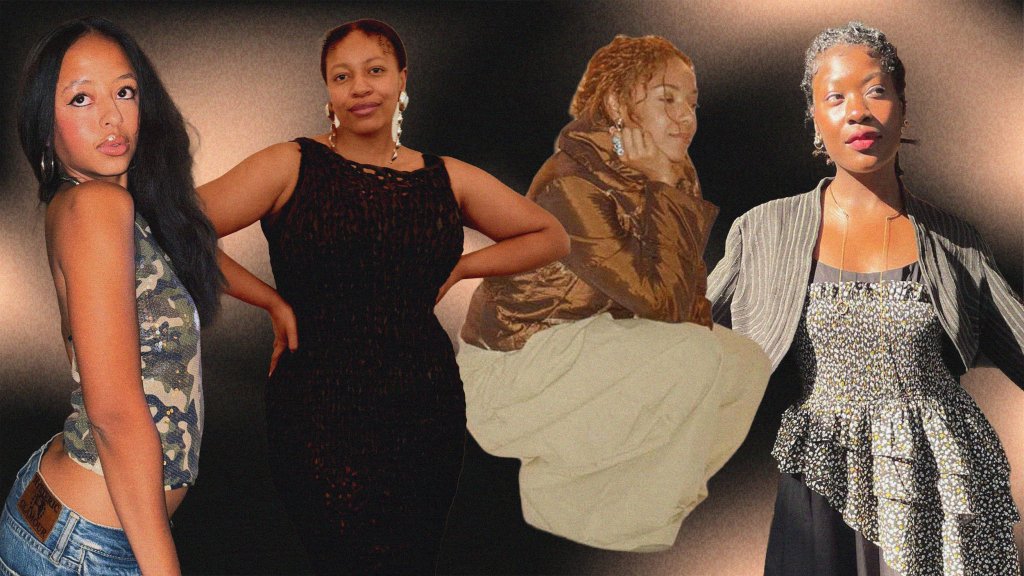
In honor of Women’s Equality Day, we spoke with four female designers and founders about access, funding, sacrifice, visibility, and what they hope will change for the next generation.
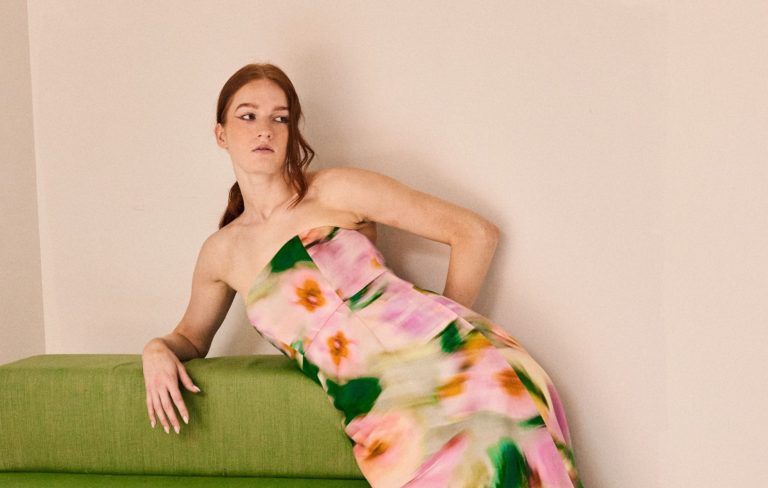
1. Nia Thomas, founder of Nia Thomas
- On What Equality Means: Women should not only design products or execute creative visions—we must own companies, control capital, and occupy influential roles like CEOs, board members, and investors with genuine decision-making power.
- Current Realities: When visiting major textile suppliers, Nia is sometimes mistakenly assumed to be an intern or assistant. She has learned to arrive exceptionally prepared to outperform assumptions about her expertise.
- Hopes for the Next Gen: Greater access to capital and specialized mentorship to make sustainable growth attainable without unnecessary trial and error.
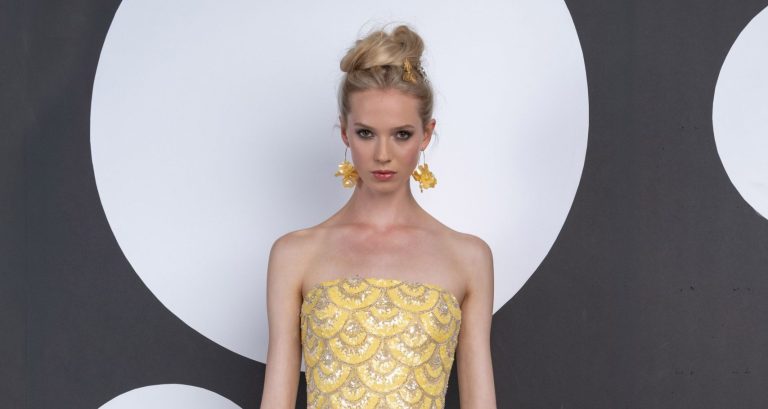
2. Kaia Baker, founder of Quintessential
- On What Equality Means: Equal opportunity to learn, grow, and exist in an equitable environment where entry is based purely on accomplishments and value provided.
- Current Realities: Rather than worrying about external expectations, her primary focus is scaling her brand as big as she has dreamed and showing up consistently for her team.
- Hopes for the Next Gen: She encourages future founders to be fearless daydreamers, reminding them that there are no ceilings on what they can build and achieve.
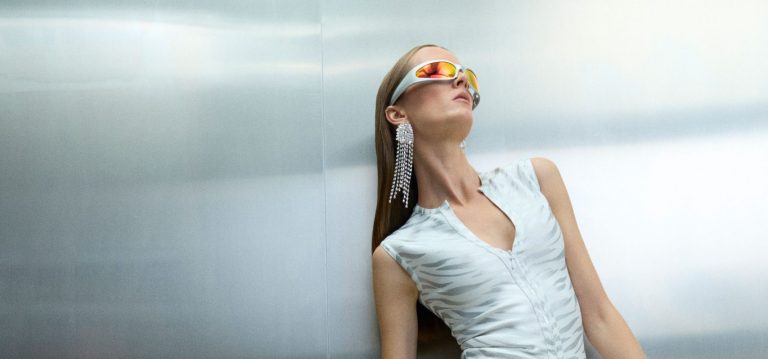
3. Sade Mims, founder of Edas
- On What Equality Means: Seeing more women appointed as creative directors at luxury houses and holding executive positions to shape company culture from within.
- Current Realities: Navigating moments of having to over-explain or convince male counterparts that her vision and voice hold weight, rather than letting her career speak for itself.
- Hopes for the Next Gen: A stronger sense of self-worth, community over competition, and the dismantling of dated, rigid formulas for success.
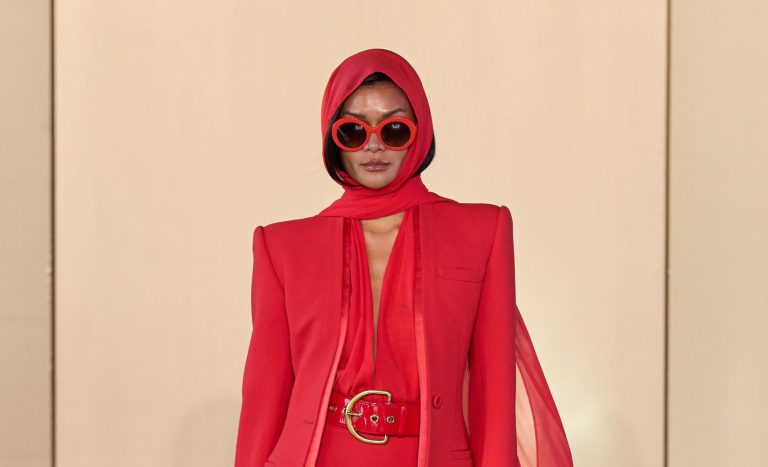
4. Danielle Laraque, founder of Laraque
- On What Equality Means: Women leading in historically male-dominated spaces with confidence and authority—bringing real-life power akin to figures like Miranda Priestly from The Devil Wears Prada.
- Current Realities: Actively building a brand centered not just on selling clothes, but on fostering a genuine creative community where women can connect and support one another.
- Hopes for the Next Gen: That emerging female founders feel deeply supported by other women and never feel like they have to build alone.