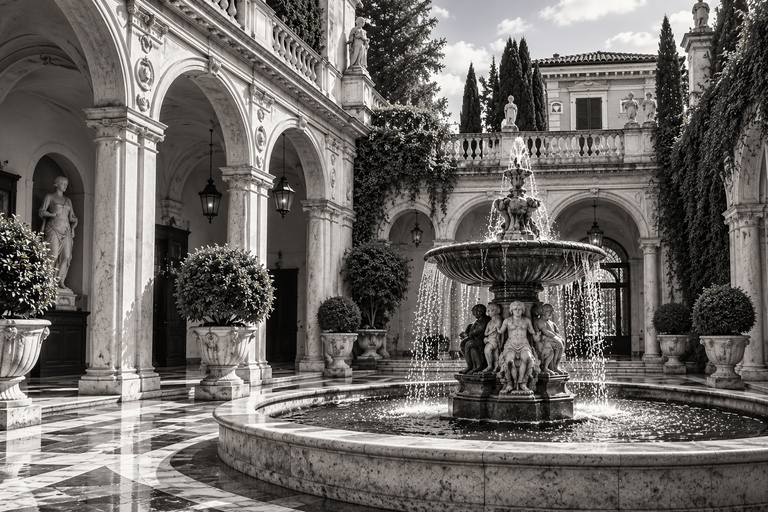
A century later, the cafés, coastlines and cobblestone streets of the Lost Generation still invite us to wander. Follow the places that shaped The Sun Also Rises—and discover why their romance has never quite disappeared.
8 Min Read · Lifestyle · Travel & Culture
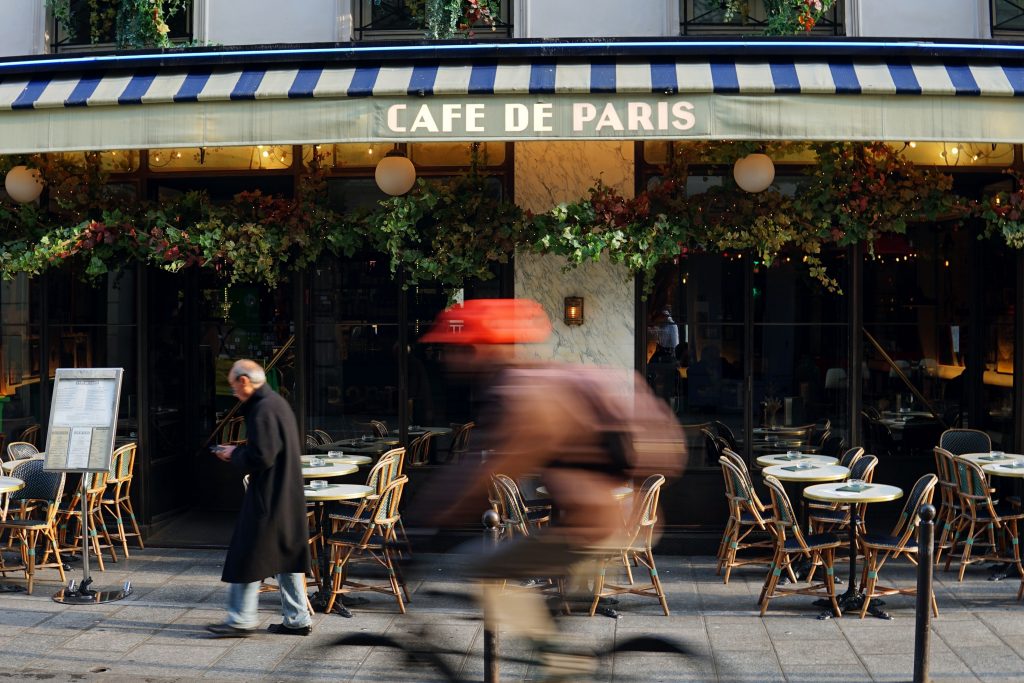
From the storied cafés of Montparnasse to the cobblestone streets of San Sebastián, the spirit of the Lost Generation still lingers across Europe. On the centennial of The Sun Also Rises, one writer retraces their footsteps—and rediscovers the enduring romance of wandering.
The Lost Generation: Following the Footsteps of The Sun Also Rises
A hundred years after Ernest Hemingway’s The Sun Also Rises first appeared in print, its Europe still feels strangely alive. Not because the world of the Lost Generation remains unchanged, but because the places Hemingway captured continue to offer something travelers have always searched for: atmosphere, freedom, conversation, beauty and the feeling that something important might happen after the next corner.
Paris cafés. Spanish plazas. Long afternoons over wine. Late nights that turn into mornings. The restless movement of people who have left one life behind without quite knowing what the next one will become.
That was the world Hemingway transformed into literature. And in 2026, as the novel reaches its centennial, travelers can still trace many of the landscapes that shaped it.
Paris: Where the Story Begins
Paris is more than a setting in The Sun Also Rises. It is part of the novel’s personality.
Hemingway’s expatriate characters move through cafés, restaurants, apartments and streets with the restless rhythm of people searching for distraction. Their conversations stretch late into the evening. Friendships shift. Romance becomes complicated. Everyone seems to be moving, yet nobody appears to know exactly where they are going.
The real Hemingway was living within that same expatriate world. The Hemingway estate notes that he drafted the novel in the cafés of Montparnasse, surrounded by people and experiences that would eventually become part of its fictional universe. :contentReference[oaicite:1]{index=1}
Paris was not simply where they lived. It was where they became themselves.
Montparnasse and the Art of Staying Out Late
Montparnasse became one of the great gathering places for writers and artists in 1920s Paris. The neighborhood’s cafés offered something invaluable to expatriates: a place to sit, observe, write, argue, flirt, drink and begin again.
This was the atmosphere surrounding Hemingway and many other American and British expatriates during the period later associated with the Lost Generation. Gertrude Stein, F. Scott Fitzgerald, Ezra Pound and other literary figures belonged to the wider cultural world that made Paris such an extraordinary center of creativity. :contentReference[oaicite:2]{index=2}
Today, the physical city has changed enormously, but the attraction remains. Travelers still come to Paris looking for that same combination of literature, architecture, food, fashion and night life—the possibility that a simple afternoon in a café might become a memory worth keeping.
From Paris to Spain
Then the novel moves south.
Jake Barnes and his companions leave Paris and travel toward Spain, where the atmosphere changes completely. The cafés give way to open landscapes, mountain roads, village streets and the extraordinary energy of Pamplona’s San Fermín festival.
Hemingway’s connection to Pamplona was real. The city records that his 1925 visit to the San Fermín festival helped inspire the stories and characters that became The Sun Also Rises. He later completed portions of the manuscript while traveling between Spain, France and elsewhere in Europe. :contentReference[oaicite:3]{index=3}
Pamplona
The city at the heart of the novel’s Spanish adventure—and the place where Hemingway’s fascination with San Fermín became inseparable from his literary legacy.
Pamplona: The City That Entered Literature
Pamplona is perhaps the most dramatic destination in the journey because the city is not merely described in the novel—it becomes part of the emotional machinery of the story.
The San Fermín festival provides noise, movement, danger and spectacle. The bullfights become another form of theater. The characters drink, celebrate, argue and fall apart against a landscape filled with ritual and tradition.
A century later, Hemingway’s connection with Pamplona remains powerful enough that visitors still arrive specifically because of the novel. The city’s tourism history acknowledges the enormous role the book played in placing Pamplona on the international literary map. :contentReference[oaicite:4]{index=4}
But Pamplona is worth experiencing beyond Hemingway, too. Its plazas, old streets, food culture and local traditions existed long before the writer arrived—and continue independently of the mythology that grew around him.
San Sebastián: Where the Story Slows Down
If Pamplona is movement, San Sebastián offers the opposite: pause.
The coastal Basque city provides a different kind of beauty. The sea, elegant architecture, narrow streets and extraordinary food culture create an atmosphere that feels almost designed for lingering.
San Sebastián also has a direct connection to Hemingway’s travels while he was developing the novel. The city appears in the historical record of his movements during the period in which he was writing and revising The Sun Also Rises. :contentReference[oaicite:5]{index=5}
San Sebastián
A place for ocean air, pintxos, long walks and the quieter side of the Hemingway journey.
Madrid: The Final Chapter of the Journey
The journey eventually reaches Madrid, another city deeply connected to Hemingway’s fascination with Spain.
Here, the energy changes again. Grand boulevards, historic cafés, museums, restaurants and the drama of Spanish culture create a final movement away from the intimate cafés of Paris and toward something larger and more theatrical.
The novel itself begins in Paris, moves through Spain and concludes in Madrid, making the geography part of its emotional architecture. :contentReference[oaicite:6]{index=6}
Why the Lost Generation Still Feels Familiar
Perhaps the most interesting reason to revisit this world in 2026 is that the Lost Generation does not feel entirely lost to history.
They were young people trying to understand how to live after a devastating war. They traveled. They experimented. They questioned old expectations. They looked for pleasure, art, love and freedom while carrying a profound sense that the world they had inherited no longer made complete sense.
Their particular circumstances belonged to the 1920s, but the emotional questions are remarkably durable.
Where do we go when the life we expected no longer exists? What happens when travel becomes more than tourism? Can a new city give us permission to become a different version of ourselves?
Those questions are part of what keeps The Sun Also Rises alive.
A Century Later, Europe Still Invites Us
The centennial of The Sun Also Rises is therefore more than an anniversary for literature. It is an invitation to look again at the geography surrounding the story.
Paris remains Paris. Pamplona still celebrates San Fermín. San Sebastián still draws travelers toward the sea and its extraordinary food culture. Madrid continues to offer art, architecture, nightlife and history.
The Lost Generation is gone. The cities remain.
And perhaps that is the most beautiful part of following their footsteps. You do not have to recreate their lives. You simply have to walk far enough into their world to discover something of your own.
A century later, the journey continues.
— Maison Adoré
A century after Hemingway’s world first appeared on the page, Europe still carries traces of the cafés, coastlines, conversations and restless spirit that defined the Lost Generation.