The beauty conversation has a new obsession: “ferritin face.” But behind the viral phrase is a bigger question about skin, hair, and the signs our bodies may be showing us.
6 Min Read · Beauty & Wellness
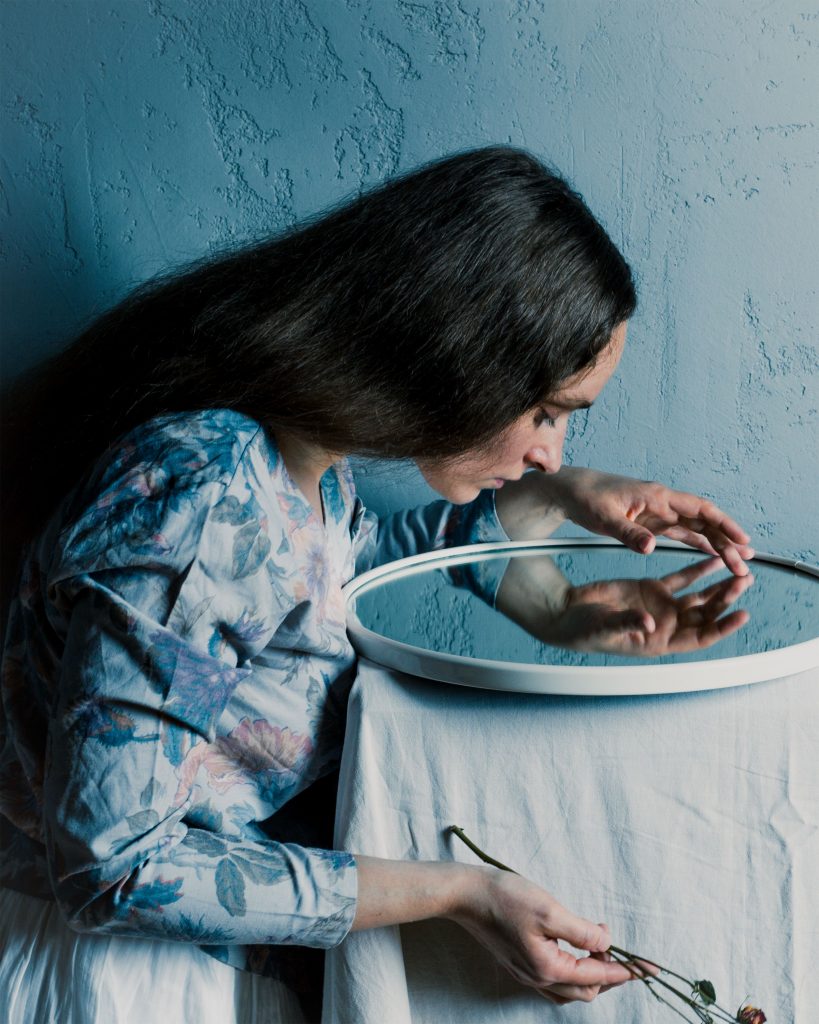
The internet is fascinated by “ferritin face”—but what does the term actually mean, and could changes in your skin or hair be pointing to something more than a beauty trend?
6 Min Read · Beauty & Wellness
What Is “Ferritin Face”—And Do You Have It?
There is a new beauty phrase circulating across the internet, and it sounds almost like the name of a skincare condition: “ferritin face.” Social media has turned the term into a shorthand for a collection of changes people associate with low iron stores, including dull-looking skin, paleness, dark circles, dry skin and increased hair shedding.
The phrase is catchy. The science behind the conversation is considerably more complicated.
Ferritin is a protein that stores iron in the body. Measuring ferritin through a blood test can help a healthcare professional evaluate the body’s iron stores. Low ferritin may occur with iron deficiency, but “ferritin face” itself is not a medical diagnosis.
That distinction matters. Your appearance may make you curious about a change in your health, but your reflection cannot tell you exactly what is happening inside your body.
First, What Is Ferritin?
Iron is an essential mineral. Among its many functions, the body needs iron to produce hemoglobin, the protein in red blood cells that carries oxygen throughout the body.
Ferritin is different from iron itself. It is a protein that stores iron and releases it when the body needs it. A ferritin test therefore gives clinicians information about the amount of stored iron available in the body.
This is one reason ferritin has become part of the current beauty conversation. People naturally wonder whether something happening beneath the surface could explain changes they can see in the mirror.
Ferritin is a measure related to iron storage, not a measure of beauty. A ferritin result has to be interpreted alongside symptoms, medical history and other laboratory findings.
Why Did “Ferritin Face” Go Viral?
Beauty culture has always searched for explanations beneath the surface. We talk about hydration, collagen, hormones, sleep, nutrition and stress because we understand that our appearance can change when our bodies change.
“Ferritin face” simply gives that idea a memorable name.
The phrase has gained attention because people have begun connecting certain visible changes with possible iron deficiency. Beauty and health coverage has highlighted symptoms such as pallor, dry skin and hair shedding while also emphasizing that these signs are not specific to low iron.
That last part is important.
The internet is very good at turning a possibility into a certainty. A person sees a list of symptoms, recognizes two or three, and suddenly believes they have identified the cause.
Medicine does not work that way.
The mirror can make you curious. It cannot give you a diagnosis.
What Might “Ferritin Face” Look Like?
There is no official medical checklist for “ferritin face.” The term is used online to describe several changes that may occur in people experiencing iron deficiency or iron-deficiency anemia.
- A pale or washed-out appearance. Iron-deficiency anemia can cause paler skin, although the change may be subtle and can look different depending on a person’s natural complexion.
- Dark-looking under-eyes. Under-eye darkness has many possible causes, including genetics, pigmentation, allergies, thin skin, facial structure, aging and lack of sleep.
- Dry or rough-looking skin. Skin changes can accompany nutritional problems, but dryness is also affected by weather, skincare, hormones, environment and many dermatological conditions.
- Increased hair shedding. Iron deficiency can be associated with diffuse hair shedding, although hair loss has many other possible causes.
- Brittle or changing nails. Iron-deficiency anemia can sometimes be associated with brittle nails and, in more pronounced cases, spoon-shaped nails.
- Changes around the mouth. Iron deficiency can sometimes be associated with a sore or inflamed tongue and other mouth changes.
The Hair Connection
Hair shedding is perhaps the part of the trend that has generated the greatest interest.
Hair follicles are constantly cycling through periods of growth, transition and rest. Significant physiological stress can disturb that cycle. Iron deficiency is one of several factors that may contribute to diffuse shedding, including a condition known as telogen effluvium.
But this is where caution is essential.
Not every person experiencing hair loss is iron deficient. Hair shedding can also be related to hormonal changes, thyroid conditions, illness, major stress, medications, genetics, nutritional deficiencies and significant changes in weight or diet.
Treating the wrong cause will not necessarily solve the problem.
And What About Dull Skin?
“Dull skin” may be one of the most popular phrases in beauty culture, but it is also one of the least precise.
Skin can appear dull because of dehydration, dead skin cells, environmental exposure, lack of sleep, irritation, aging, hormonal changes or simply the way light falls across the face.
Iron deficiency may affect the skin, particularly when it progresses to iron-deficiency anemia, but a dull complexion by itself is not evidence of low ferritin.
That is why the phrase “ferritin face” should be treated as an internet description rather than a medical conclusion.
The Dark-Circle Question
Dark circles have become another major part of the online conversation.
Yet the under-eye area is incredibly complex. Genetics can influence pigmentation. The skin beneath the eyes is naturally thin. Blood vessels can show through. Allergies can cause inflammation. Facial structure can create shadows. Aging changes the tissues around the eyes.
Sleep deprivation can make the entire area look dramatically different from one day to the next.
Iron deficiency may contribute to pallor in some people, potentially making existing under-eye darkness appear more noticeable. But dark circles alone cannot tell you that your ferritin is low.
What You Cannot Diagnose From a Mirror
This is perhaps the most important point in the entire conversation.
You cannot reliably diagnose iron deficiency by looking at your face.
You cannot diagnose anemia by looking at your hair.
And you cannot determine your ferritin level by looking at your skin.
These observations can be reasons to ask questions, especially when several changes occur together or persist over time. But they are not substitutes for medical evaluation.
A symptom is a signal. It is not the answer.
What a Ferritin Test Actually Does
A ferritin blood test measures the amount of ferritin in your blood and can help clinicians evaluate your body’s iron stores.
Depending on the circumstances, a healthcare professional may look at ferritin alongside a complete blood count and other iron studies. The results are interpreted in the context of your symptoms, medical history and overall health.
This matters because ferritin is not simply a beauty number that everyone should try to push higher.
The goal is to understand whether an iron problem exists and, if it does, why.
Why Low Iron Happens
Iron deficiency can develop for different reasons.
A person may not consume enough iron. The body may have difficulty absorbing it. The body’s need for iron may increase. Or iron may be lost through bleeding.
The underlying cause matters because treating the number without addressing the reason for the deficiency may leave the larger problem unresolved.
This is one of the reasons medical professionals do not recommend treating yourself simply because a social-media post convinced you that your ferritin might be low.
Should You Take Iron?
This is where the beauty trend can become potentially dangerous.
Iron is essential, but more is not automatically better. High amounts of iron can be harmful, and iron supplementation should be based on an appropriate medical evaluation rather than a viral beauty checklist.
Important: If you are concerned about persistent hair shedding, unusual fatigue, weakness, dizziness, shortness of breath, changes in your complexion or other symptoms, speak with a qualified healthcare professional. Do not begin high-dose iron supplementation solely because of an online “ferritin face” checklist.
When Beauty and Wellness Meet
There is actually something valuable about the popularity of “ferritin face.”
Beauty trends can sometimes encourage people to pay attention to their bodies.
Someone who has ignored persistent fatigue may finally decide to ask a doctor about it. Someone who has noticed months of unexplained hair shedding may realize that it deserves attention rather than another bottle of shampoo.
In that sense, curiosity can be useful.
The problem begins when curiosity turns into certainty.
The Algorithm Is Not Your Doctor
Social media rewards simple explanations. “This is why your face looks tired” is far more clickable than “There are numerous possible causes of changes in skin and hair, and medical evaluation may be necessary.”
But the second statement is closer to reality.
Your body is complicated. Two people can have similar-looking skin and completely different underlying reasons for it.
That is why health information should inspire better questions rather than replace professional evaluation.
So, Do You Have “Ferritin Face”?
Maybe you have noticed your complexion changing.
Maybe your hair is shedding more than it used to.
Maybe you are dealing with fatigue, pale-looking skin, brittle nails or several changes at once.
Those observations are worth paying attention to.
But they do not tell you what your ferritin level is.
If the changes persist or concern you, the most useful next step is not another social-media search. It is a conversation with a qualified healthcare professional who can determine whether testing is appropriate and interpret the results in context.
The Maison Adoré Take
“Ferritin face” is an intriguing example of the way beauty culture and wellness culture now overlap.
We want our skin to look radiant. We want our hair to feel healthy. We want to understand why our appearance changes. And sometimes, those questions really do lead us toward something happening beneath the surface.
But beauty should not make us afraid of every change we see in the mirror.
Notice the change. Ask the question. Look for the evidence.
And remember that the most beautiful kind of wellness is not chasing a perfect reflection. It is understanding your own body well enough to know when something deserves attention.
Beauty begins at the surface. Understanding begins beneath it.
— Maison Adoré