Would ‘Trainspotting’ Get Made Today? The 2026 Greenlight Test
Industry titans examine whether iconic films could survive modern financing gatekeepers—and what that says about cinema’s future.
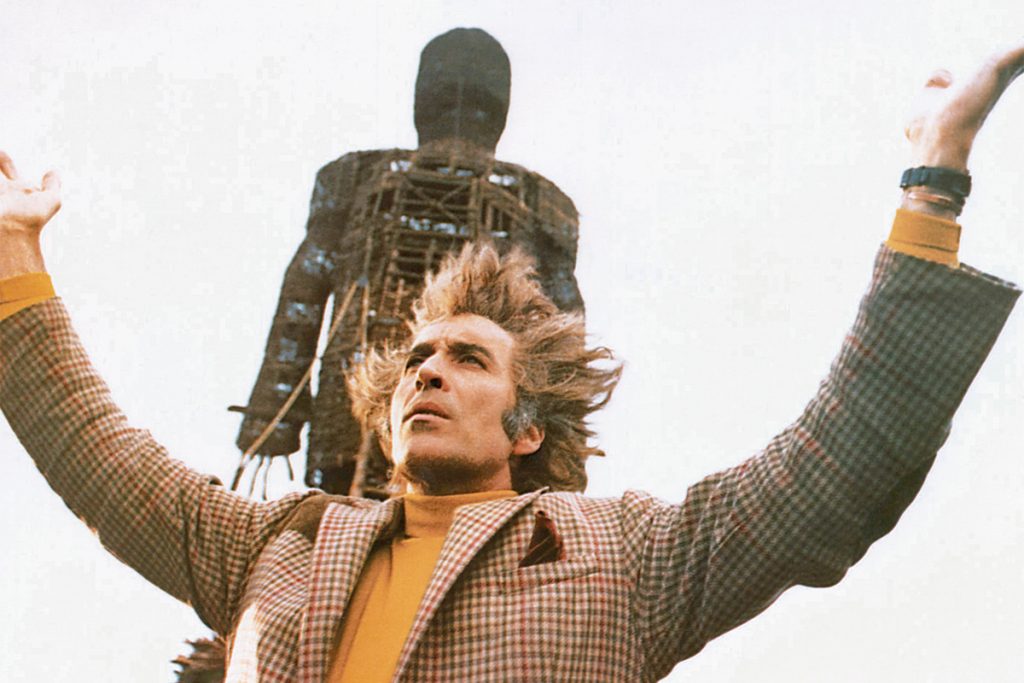
At a lively session bringing together industry titans, a deceptively simple question cut to the heart of contemporary cinema: Would Trainspotting get made today? Could Ratcatcher survive the journey from shorts to feature debut? Would The Wicker Man—once treated as a problem child—now represent exactly the kind of genre package that buyers chase?
The conceit, hosted by Wendy Mitchell with representatives from Picturehouse, Film4, BBC Film, and Christine Vachon, was refreshingly direct: take the films that defined a generation and run them through the gauntlet of 2026 financing logic. The result was both illuminating and troubling.
These questions matter because they reveal the shape of cinema’s future. When the films that once thrived are subjected to today’s greenlight standards, what survives? And perhaps more importantly, what dies?
The Trainspotting Paradox
When Trainspotting premiered in 1996, it was a cultural phenomenon—raw, immediate, and unapologetically Scottish. It broke taboos and captured a generation’s alienation with precision and dark humor. By contemporary standards, it’s a masterpiece.
Yet in the modern financing landscape, the film faces serious obstacles. The subject matter—heroin addiction, urban decay, working-class desperation—doesn’t align with the optimistic, aspirational narratives that streaming platforms and traditional studios now favor. The audience targeting is murky. The commercial prospects are uncertain. The film’s lack of recognizable stars (at the time) would be a dealbreaker for contemporary investors.
Trainspotting would be greenlit today only if it arrived with a proven brand attached—a recognizable author or A-list talent shepherding the project. Raw directorial debuts with urgent but unsettling visions are no longer the norm.
Lynne Ramsay’s Impossible Journey
Lynne Ramsay’s transition from acclaimed short films to her feature debut Ratcatcher represents another casualty of modern gatekeeping. A first-time feature director with no bankable stars, working in an intensely visual, poetic style—Ramsay’s path today would be nearly impossible to navigate.
The film’s central narrative—a young boy dealing with poverty, neglect, and a dead child in the canal—offers no obvious commercial angles. It’s not high concept. It’s not easily marketable. It requires patient, attentive viewing. These qualities, which made it a masterpiece, would doom it in today’s industry.
Genre as Salvation
The Wicker Man presents an intriguing contrast. Once dismissed by its distributors, the film has been reappraised as a cult classic—a sophisticated folk horror film that anticipated decades of genre evolution. In 2026, genre films attract investment and audience attention in ways they never did in 1973.
Paradoxically, The Wicker Man might actually be greenlit today—but perhaps not for the right reasons. It would be positioned as a horror property, stripped of its ambiguity and complexity, retrofitted for a contemporary audience seeking genre thrills rather than philosophical discomfort.
What This Means for Cinema
The exercise reveals an uncomfortable truth: the films that defined cinema are, by modern standards, increasingly risky. The industry has become more conservative even as it claims to champion originality. Risk has been systematically excised from the decision-making process.
For emerging filmmakers, the implications are stark. The pathways that existed for Ramsay, for Danny Boyle, for Lynne Ramsay no longer exist. The gatekeepers demand either established names or established genres. Innovation is encouraged only when it arrives pre-packaged in a form that’s already been tested.
The greenlight test, delivered with industry candor, ultimately indicts contemporary cinema’s risk aversion—a reckoning that the industry must eventually confront.