Director Frieda Luk on Olivia Luccardi’s ‘Sacred Creatures’ Role and the Fine Line Between ‘Crazy’ and ‘Enlightened’
In her debut film, director Frieda Luk explores the thin boundary between spiritual awakening and delusion through Olivia Luccardi’s powerful performance.
For Sacred Creatures director Frieda Luk, belief operates in a space between the rational and the transcendent—a liminal territory where faith, obsession, and authenticity become impossible to untangle. “I’m really fascinated by when people believe in something,” Luk explains. “One person believes in something, and then a group of people, and then it slowly becomes this massive phenomenon. It goes viral.”
That fascination sits at the heart of her directorial debut, which chronicles the intersection of spiritual conviction and psychological fragility. Olivia Luccardi’s central role embodies this tension, delivering a performance that asks audiences to sit uncomfortably in the space between empathy and skepticism, between seeing her character as enlightened or unwell.
The film emerges from Luk’s broader interest in how belief systems propagate, mutate, and gain momentum in contemporary culture. It’s not a story about debunking faith or celebrating it—it’s an examination of the mechanisms through which conviction takes root and spreads.
The Performance at the Center
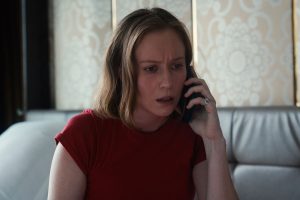
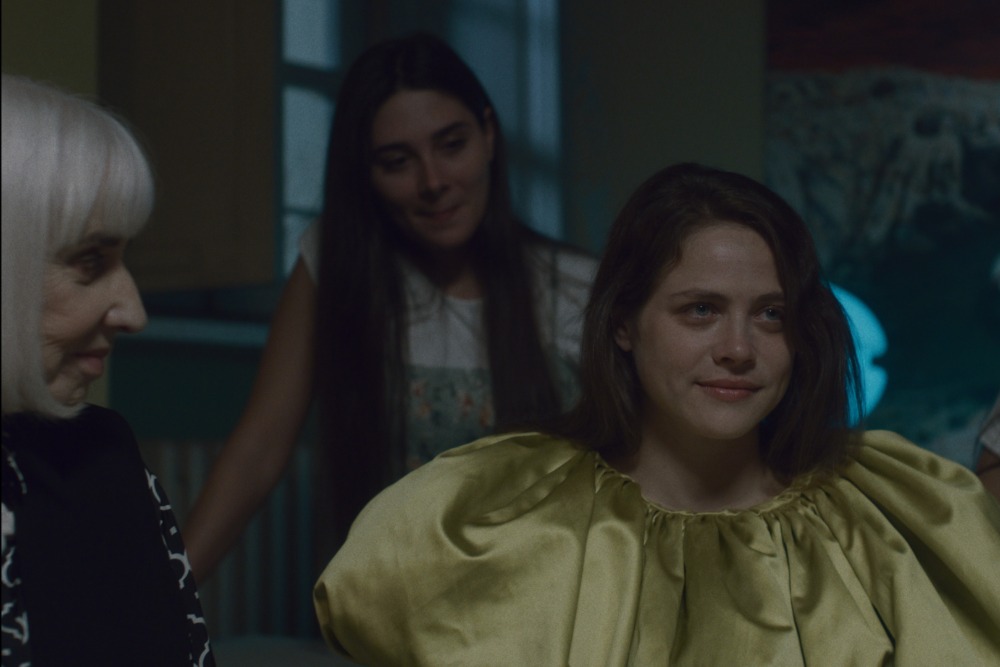
Luccardi carries the film with a nuanced restraint that resists easy categorization. She plays a woman caught between two versions of reality—one that others see, and one that only she inhabits. Her performance never tips into caricature, never becomes a cautionary tale about the dangers of unchecked belief.
Instead, Luccardi grounds the character in genuine conviction. Whether that conviction is spiritually valid or psychologically troubled becomes the question that haunts the entire narrative. Luk’s direction amplifies this ambiguity by refusing to provide audiences with the certainty they crave—the definitive answer about what her character actually is.
Belief as Contagion
What distinguishes Sacred Creatures from other explorations of faith and delusion is Luk’s attention to social dynamics. Belief doesn’t exist in isolation. It spreads through community, through shared language, through the human need to belong to something larger than oneself.
The film tracks how a single person’s conviction begins to influence those around them, creating ripples of faith or concern depending on the observer’s perspective. A spiritual awakening to one person becomes a mental health crisis to another. A prophet to some, a victim to others.
This multiplicity of perspective is what makes Luk’s debut so distinctive. Rather than asking viewers to choose a side, she invites them to inhabit all of them simultaneously—to feel the pull of belief while remaining skeptical, to see the character’s pain while recognizing her agency.
A Debut That Questions Everything
For a first feature, Sacred Creatures demonstrates remarkable restraint and maturity. Luk doesn’t reach for easy answers or comfortable resolutions. She trusts her audience to sit with complexity and contradiction.
Luccardi’s performance becomes the anchor for this ambitious vision—a presence that grounds the film’s philosophical inquiries in lived, embodied experience. Through her, we see how belief looks from the inside, how conviction feels when it’s yours alone.
The result is a film that lingers precisely because it refuses to settle the question at its core. Frieda Luk has created not just a portrait of faith, but an exploration of how we judge it—and how quickly judgment can shift when we’re asked to look more closely.