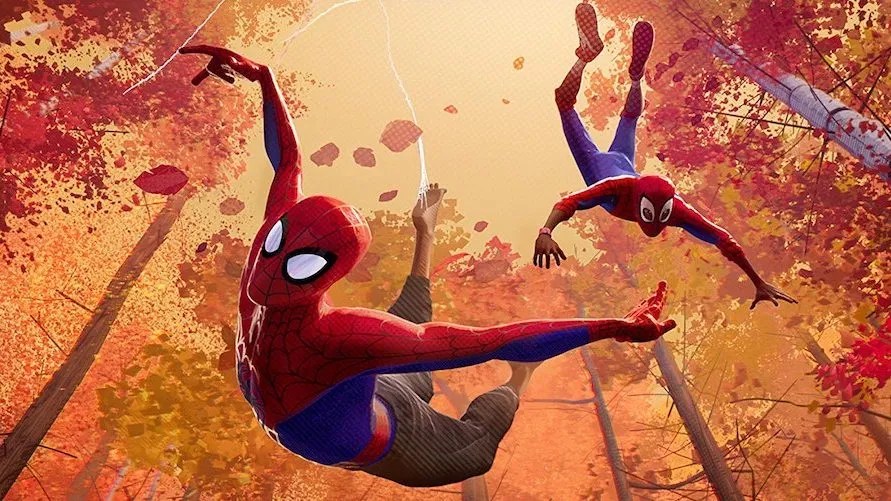
Spider-Man brings the blockbuster experience roaring back to the big screen.
Film • Box Office • 5 Min Read
The suits of Hollywood are used to big numbers. That’s how they roll. But the record-setting opening weekend of Spider-Man: Brand New Day isn’t something that happens every day, or every year — more like once a decade.
Domestically, the film opened with approximately $360 million, surpassing the previous record held by Avengers: Endgame. The achievement immediately changed the conversation around the summer box office and demonstrated that audiences are still willing to turn a major theatrical release into a genuine cultural event.
Directed by Destin Daniel Cretton and starring Tom Holland as Peter Parker, Spider-Man: Brand New Day arrived with enormous expectations. The film follows Parker in a world where his identity has been forgotten, leaving him to navigate New York as a more isolated version of Spider-Man.
Whatever concerns Hollywood may have had about superhero fatigue have, at least for the moment, been pushed aside.
The Return of the Event Movie
There was a period when opening weekend numbers were treated almost like sporting events. Fans watched the figures climb throughout Friday, Saturday, and Sunday, while studios and exhibitors waited for the final estimate.
Then the theatrical business changed.
Streaming accelerated. Release windows became shorter. Audiences became more selective about what was worth seeing in a theater. And even the biggest franchises began to discover that recognizable characters alone could not guarantee a blockbuster.
Brand New Day has now offered Hollywood a very different message: when the movie feels like an event, people will still show up.
The theatrical blockbuster isn’t dead. It was waiting for a reason to feel enormous again.
Spider-Man Still Has the Power
Spider-Man has always occupied a special place in popular culture. Unlike many superheroes, Peter Parker is defined as much by his ordinary life as by his extraordinary abilities.
He is young. He is overwhelmed. He makes mistakes. He worries about money, relationships, responsibility, and the consequences of his choices. Beneath the costume is someone audiences can recognize.
That emotional accessibility has helped the character survive multiple generations, multiple actors, multiple versions of the story, and changing ideas about what a superhero movie should be.
Tom Holland’s version of Peter Parker has now become one of the most commercially powerful interpretations of the character, and Brand New Day demonstrates just how much audience investment remains.
A Box Office Machine
The opening weekend was only the beginning.
By its second weekend, Spider-Man: Brand New Day added another $145 million domestically, giving it the third-biggest second weekend in movie history. Internationally, the film continued its extraordinary run and has crossed the $1 billion mark overseas.
Globally, the movie has moved beyond $1.6 billion, placing it among the year’s dominant theatrical releases and demonstrating that the appetite for large-scale cinema remains very much alive.
Those numbers matter because they represent more than superhero fandom. They represent people buying tickets, making plans, leaving their homes, meeting friends, purchasing concessions, and choosing the communal experience of a theater over watching something at home.
Hollywood Wants This Feeling Back
The movie business has been searching for this kind of momentum.
A genuine blockbuster creates an ecosystem around itself. Movie theaters benefit. Restaurants benefit. Shopping centers benefit. Merchandise moves. Social media fills with reactions. Fans discuss scenes and characters. Spoilers become conversation pieces. The film becomes part of the cultural calendar.
That kind of phenomenon is difficult to manufacture.
Hollywood can spend hundreds of millions of dollars on visual effects and marketing, but money alone cannot guarantee that audiences will care. The audience has to believe there is something worth leaving the house for.
Brand New Day appears to have found that equation.
The Superhero Question
For years, the entertainment industry has been asking whether audiences are tired of superheroes.
The more interesting question may be whether audiences are tired of mediocre superhero movies.
A recognizable character is not enough anymore. The audience expects scale, spectacle, emotional stakes, strong performances, and a reason for the story to exist.
When those ingredients come together, the superhero genre can still produce numbers that dwarf most other forms of entertainment.
Spider-Man: Brand New Day is making that case in real time.
Bigger Than Nostalgia
Nostalgia certainly plays a role in modern blockbuster culture, but nostalgia alone cannot explain a performance of this magnitude.
The success of Brand New Day comes after years of Spider-Man films, animated projects, television appearances, merchandise, video games, and countless variations of the character.
The fact that audiences continue to return suggests that the character still has room to evolve.
Peter Parker can be reinvented without losing the essential qualities that made audiences care about him in the first place.
The Business of Going to the Movies
There is also a larger economic story here.
Theaters need movies that can bring people through their doors in enormous numbers. A record-setting blockbuster can create breathing room for smaller films and give exhibitors confidence to continue investing in the theatrical experience.
That does not mean every movie needs to become a billion-dollar franchise. Quite the opposite. A healthy movie industry requires films of different sizes, genres, budgets, and ambitions.
But the existence of massive hits gives the theatrical business something it has desperately needed: proof that the big-screen experience can still become an event.
The Blockbuster Mentality Is Back
Hollywood loves a winner.
And right now, Spider-Man: Brand New Day is giving the industry exactly the kind of victory it understands: enormous audiences, enormous revenue, international momentum, and a character with decades of cultural recognition still capable of generating excitement.
The film has reminded studios that audiences have not abandoned the theater. They have simply become more selective about what deserves the trip.
Give them a movie that feels enormous, give them a character they love, give them something worth talking about—and suddenly the old blockbuster mentality doesn’t seem old at all.
It feels new again.